Weekly Writing 9/13
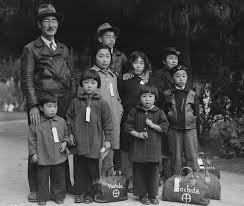
My History classes growing up delved into so much hardship, war, battle, and tragedies. Time and time again World War two was studied or mentioned like the different battles, the Holocaust, politics, Pearl Harbor, etc. However in my personal experience we never really discussed the Japanese Internment camps in depth and there was often a dehumanization of the Japanese Americans who suffered at the hands of ironically, The Department of Justice. Part of the reason why I enjoyed this weeks lessons was being able to read through personal, human, and touching letters straight from horrific camps that were never really talked about in my history classes. We read through a text that gave us an introduction into who Clara Breed was and what she meant for Japanese Americans who lived their day to day lives in camps dealing with separation from families, exhausting working hours, and inhumane living conditions. I found the bonds she had with those writing letters from the camps so touching and I loved how these letters were able to bring hope to strong individuals living in the internment camps. I noticed when reading through the introduction of dear miss breed how a lot of those who wrote letters had differing attitudes toward what was happening to them in the camps. Some were hopeful and tended to sugarcoat the hardships they were going through, perhaps they didn’t want to face it and desired to use their letters to Ms. Breed as a way of escaping what they were going through. Others were more angry and expressed their political opinions and concerns, essentially expressing resentment towards racist ideologies that caused imprisonment in camps and separation from loved ones. A specific letter that I read from the collection was one to Ms. Breed from Fusa Tsumagari on September 8th, 1942 in Arizona. It was interesting to read through the conditions she had to live with and the childlike tone in her writing that was filled with hope and optimism. Fusa says, “Let’s do our part right here. And make this place a kind of home that can mean something dear”. There is a sense of resilience in her words as well as wishes for freedom and even a dictionary from Ms. Breed. I wonder how were they able to feed this hopefulness inside of them? Overall I learned so many new things about Japanese Internment Camps this week and was able to hear the voices of the victims and the connections between them.
Leave a Reply